
about breathwork
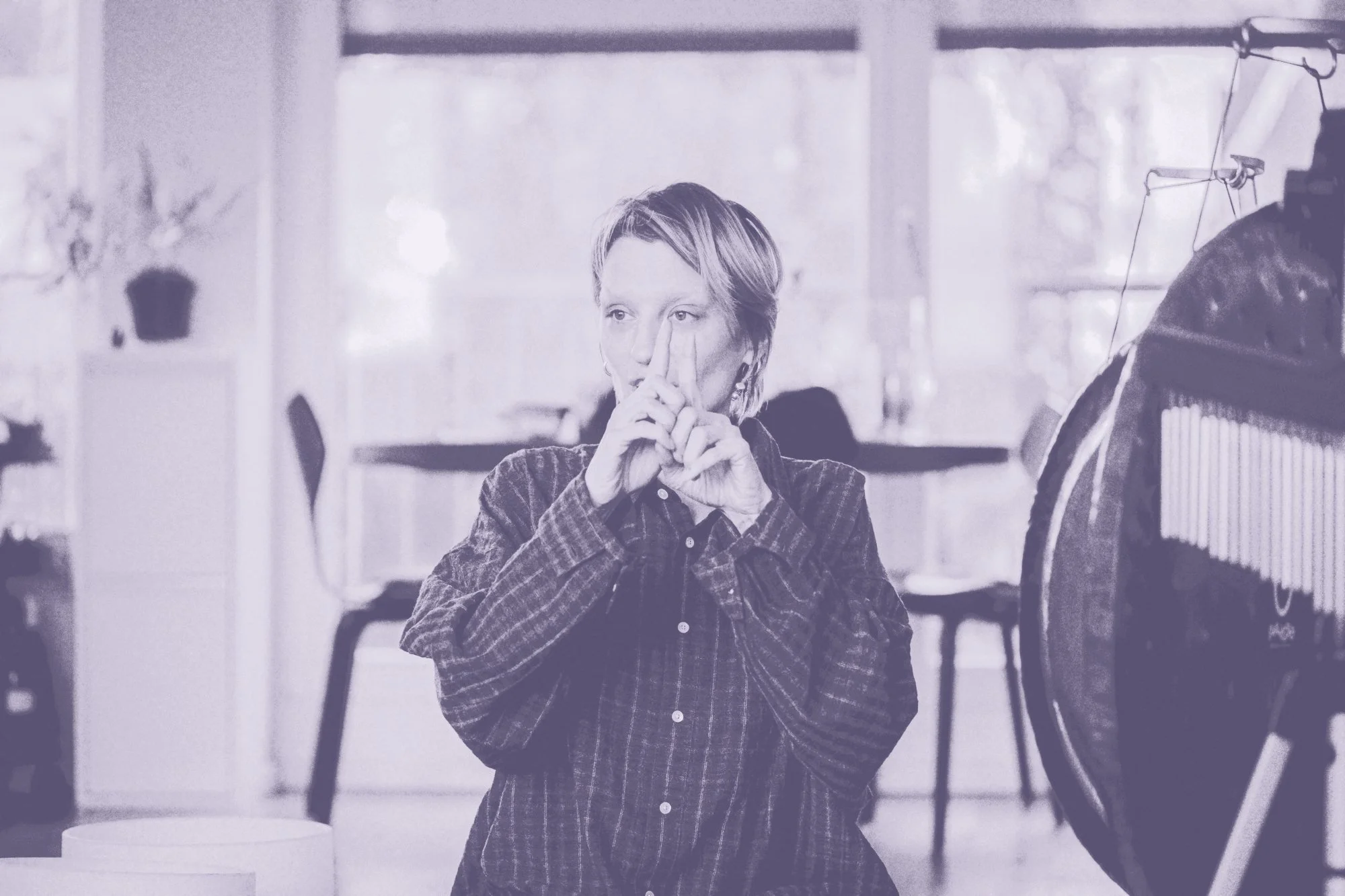
what is breathwork
Breathwork is the intentional use of breath to change how you feel, think, and function. It covers many practices, and two teachers can teach the same style in completely different ways. I teach Conscious Connected Breathwork (CCB) with a focus on trauma-informed space holding and embodied breathing.
where it comes from
Breathwork is like a tree. Every lineage is a branch, and all of them grow from the same roots. Those roots are breathing techniques that people have used for hundreds if not thousands of years. Here are the main branches, in rough order of when they appeared.
Modern CCB uses sustained, uninterrupted breathing to reach emotional and psychological layers. It also draws on Stephen Porges's Polyvagal Theory.
My own lineage draws on pranayama and Taoist breath, and on the research of Stanislav and Christina Grof. After years of teaching and researching, I gradually moved toward a less dogmatic, more trauma-informed, science-based and hands-off method.
conscious connected breath
You breathe in a continuous, circular pattern with no pause between breaths.
the science, in short
Over-breathing in this pattern lowers carbon dioxide and makes the blood more alkaline. This is called respiratory alkalosis.
Blood vessels in the brain narrow as carbon dioxide drops. In a small study of healthy volunteers, hyperventilation cut blood flow velocity in a major brain artery by roughly half. This may be part of why people report deep relaxation, emotional release, time distortion, and vivid inner experiences.
Carbon dioxide also controls how readily blood releases oxygen to your tissues. This is the Bohr effect. More oxygen in the lungs does not mean more oxygen in the tissues.
Breath is one of the few functions under both voluntary and involuntary control. That makes it a direct way to influence your nervous system.
Slow, deep breathing stimulates the parasympathetic branch, which supports rest and recovery. A review of 223 studies found that voluntary slow breathing increases vagally mediated heart rate variability. Fast, forceful breathing raises sympathetic tone, which supports energy and release.
Not all breathwork raises vagal tone. Fast patterns can lower it for a while. Slow patterns with a long exhale tend to raise it.
The same breath affects people differently. Someone who feels wired often needs a slower exhale. Someone who feels shut down may need more activation first.
CCB tends to quiet the analytical mind and bring feeling and sensation closer to the surface.
A 2023 meta-analysis of randomized trials found that breathwork was linked with a small to medium reduction in self-reported stress. A separate trial found that brief daily cyclic sighing improved mood more than mindfulness meditation.
Breath holds add another layer. Holding on full lungs tends to feel expansive. Holding on empty lungs tends to feel like surrender and release.
what can happen in the body
These sensations are common and temporary. They come from shifts in oxygen and carbon dioxide and from your nervous system adjusting.
let's talk about tetany
Tetany, often called the claw, is when your hands, feet, or face tingle, go numb, or clamp up. Your hands can curl into a rigid shape. It looks dramatic and it feels strange, and it is one of the most common things that happens in breathwork. It is also temporary.
the physical cause
the second layer
Many spiritual teachers describe it differently. They see stagnant energy held in the hands, something stuck that wants to move. Some people find that the tension in their hands connects to what they are holding onto emotionally, such as grief or something unresolved. Often a real emotional shift follows once the clenching passes.
The physiology explains how it happens. What it means for you is yours to decide. I find both useful.
if it happens to you
what can happen emotionally
The limbic system stores emotional memory, and breath can reach it. Here is what can come up.
nose and mouth
I teach the mechanics of both, so you can choose.
Nose breathing filters and warms air, supports a balanced oxygen and carbon dioxide ratio, makes nitric oxide, and calms the nervous system.
Mouth breathing moves a lot of air quickly. It brings energy and helps release, and it can lower carbon dioxide too fast if I do not pace it.
A session often begins with nose breathing to ground, moves into mouth breathing to go deeper, and ends with nose breathing to land. These days I guide mostly nose-led breathwork, with optional breath holds and sound throughout.
my journey
I found breathwork when I was dysregulated from years of touring and partying. Then I ended up in a Conscious Connected Breath session and something opened that I did not know was closed. I felt more alive, more grounded, and more in my body than ever. I knew I wanted to share this work.
In the beginning, I taught mostly mouth breathing. After being diagnosed with chronic fatigue, I had to redesign much of my life, including my breathwork practice. I found that switching to nose breathing was much gentler on my nervous system, while still giving me the benefits of the practice. It is now the foundation of how I guide.
how I guide
We begin with slow, grounding breaths to activate the parasympathetic nervous system and help you land in your body. From there we move into a longer breath practice. Ambient music and carefully chosen tones guide you through activation, release, and rest. I teach in person in Berlin and host online sessions once a month.
upcoming classeswhat you need
You need a comfortable place to lie down, clothes you can rest in, headphones or a speaker, and about 90 minutes of your full attention. Online, you also need a phone or computer with Zoom. A blanket, eye cover, journal, water, or candles are optional. In person, the studio provides mats, blankets, and props.
before you come
Skip heavy meals for at least two hours before. Use the bathroom first. If your mind is racing, move or dance for a few minutes. Give yourself time afterward to rest and integrate.
Check in with your doctor first and tell me before class if any of these apply.
training and experience
I trained as a Conscious Connected Breath teacher with Rob Starbuck. I have facilitated over 1000 hours of breathwork, including 300+ hours in mental health and treatment facilities. I also spent two years in the mental health field as a trauma-informed sound and breathwork practitioner.
go deeper
Train as a facilitator, join a class, or ask about mentorship.
breathwork facilitator trainingeventsmentorship